Exploring ideas that could unlock new capabilities in AI.
I’m Thomas J. Richner, a research scientist at Mayo Clinic. I study neural networks and stochastic dynamical systems. I bring mathematics and engineering to foundational questions in AI.
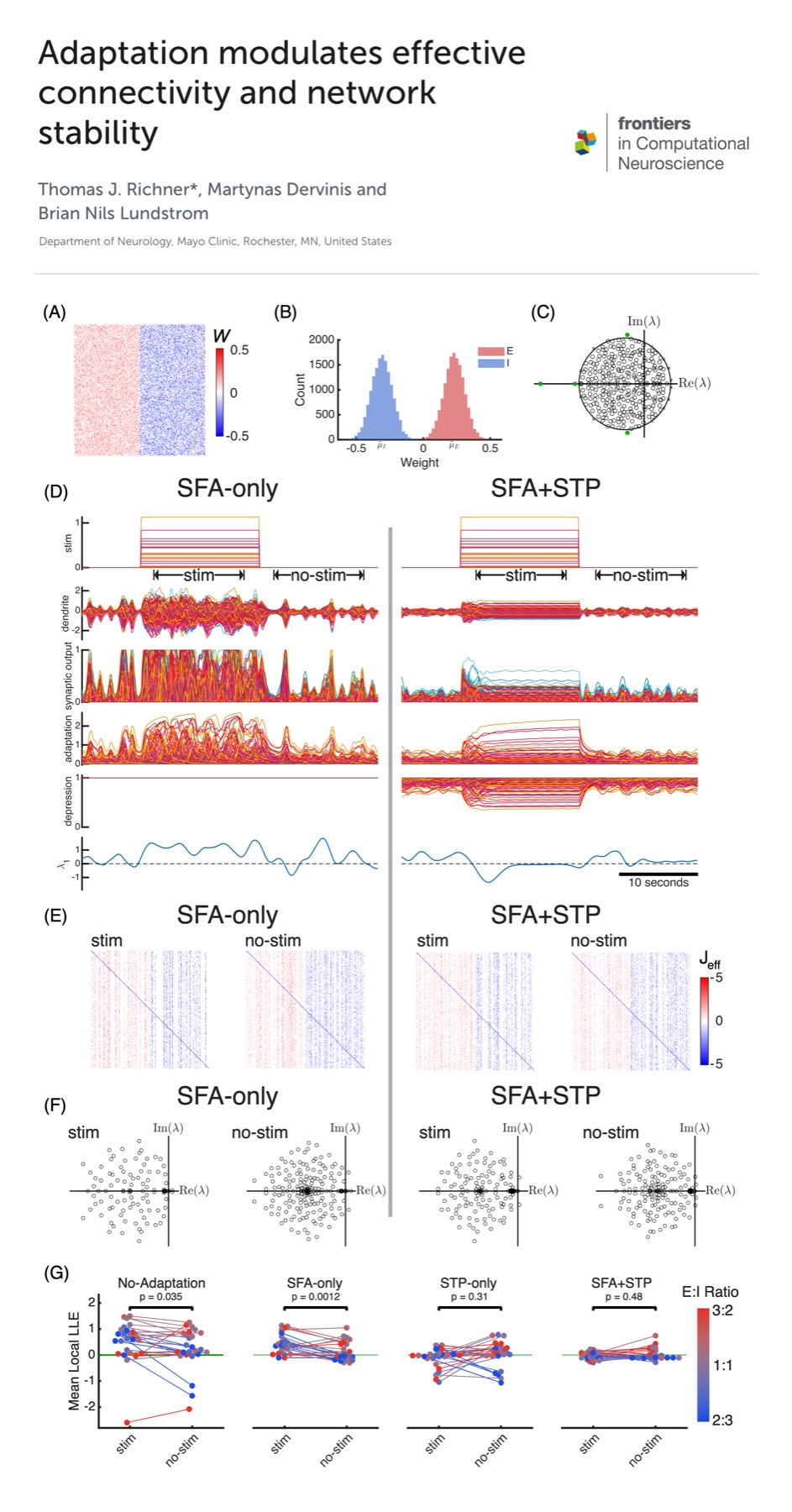
I investigate how adaptation shapes effective connectivity and stability in recurrent networks. My current research asks how networks can learn through local rules while maintaining stable dynamics.
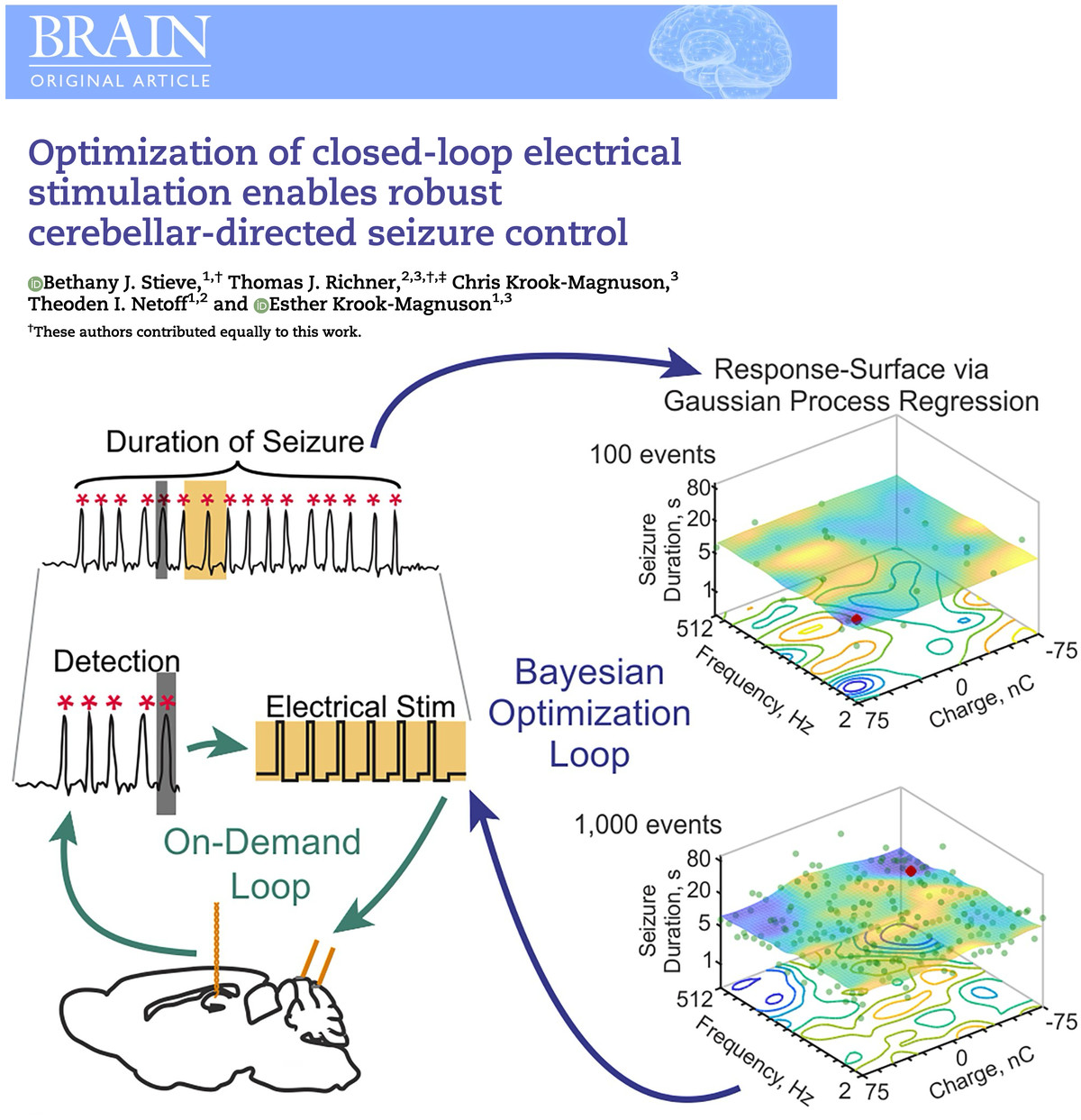
Using Gaussian process models and Bayesian optimization to guide the search for effective stimulation parameters in a closed-loop seizure-control system.
How can AI systems keep learning? Sequential Bayesian updating offers a mathematical perspective on the problem—and raises questions about what can scale and the accuracy and computational cost of approximations.
02
Composing learned capabilities
Can separately trained adapters be combined into useful new capabilities? I’m interested in the structure that makes composition possible, including connections to linear and abstract algebra.
03
Interpreting and improving models
Could agents diagnose what limits a model and make targeted parameter changes when gradient-based training stalls? I’m interested in whether such interventions could unlock step improvements and contribute to recursive self-improvement.
04
Modeling coupled systems under uncertainty
How can we infer interactions and forecast behavior in systems shaped by noise and nonlinear coupling? I’m interested in stochastic vector autoregressive models and their nonlinear extensions, connecting physical-system modeling with questions in quantitative research.
Background
From mathematical ideas to working systems.
My background spans mathematics, engineering, and computational modeling. My research in systems, optimization, and neural interfaces has involved moving between questions, theories, numerical methods, and experiments. I enjoy going from whiteboard to Python.
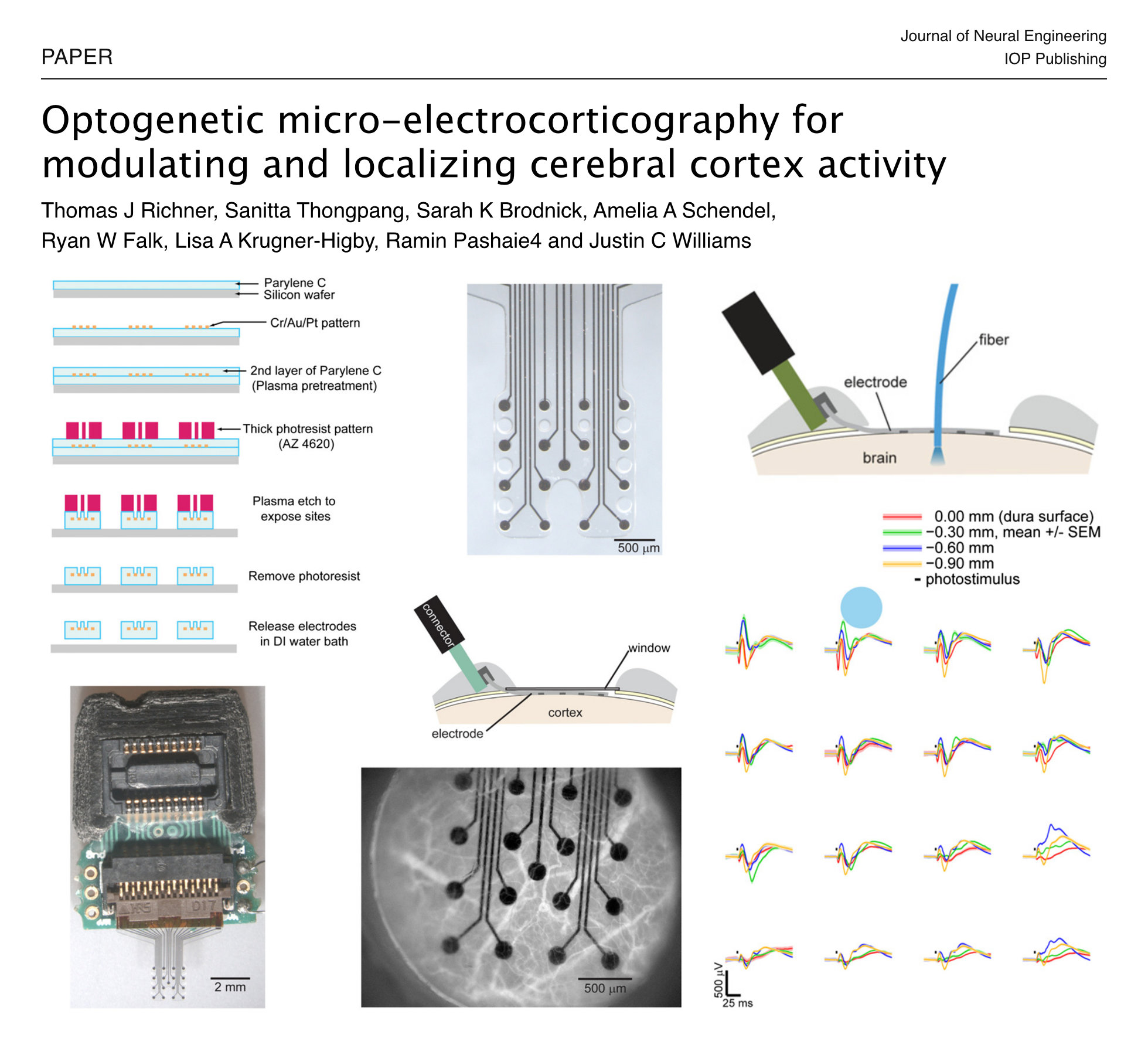
At Mayo Clinic, I investigate network stability and use electrical brain stimulation for system identification.